

10 Mattress Shopping Mistakes That Cost You Money

Updated: 4 days ago
Introduction
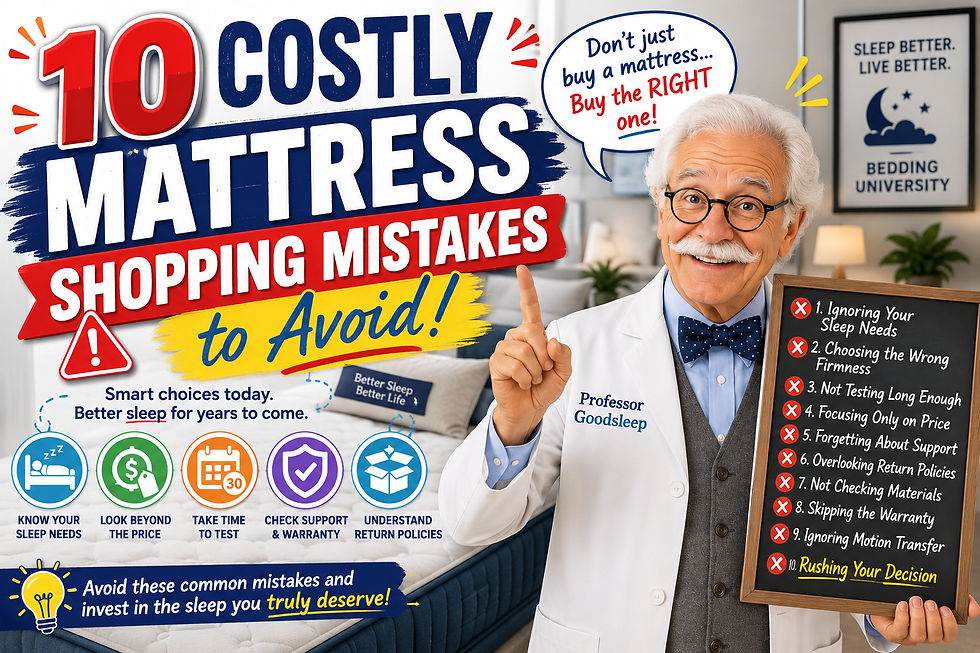
A bad mattress can cost you far more than its price tag. It can lead to years of poor sleep, increased aches and pains, reduced productivity, and the expense of replacing a mattress long before it should wear out. Yet many consumers still make rushed decisions that end up hurting both their health and their wallets.
After nearly a decade in the sleep industry, I've seen the same costly mistakes over and over again. Here are the ten biggest mattress shopping mistakes and how to avoid them.
1. Buying Based on Price Alone
Many shoppers walk into a store looking for the cheapest mattress available. While budget matters, the least expensive mattress is rarely the best value.
Long before I entered the mattress industry, I learned this lesson the hard way. About 20 years ago, I purchased a king-size bed-in-a-box mattress from an online retailer for just under $1,000. At the time, it seemed like a great deal. After about 12 months, however, the mattress began developing noticeable dips where I slept. Like most consumers, I assumed the problem was the foundation, so I tried placing boards underneath it to create more support.
What I know now is that the issue wasn't the foundation at all. The foam support core — typically the eight to ten inches of foam at the bottom of the mattress — had started collapsing under my body weight. The memory foam comfort layers on top were actually holding up reasonably well because they were made from denser materials. The real failure was in the support foam layer underneath.
This became such a widespread issue throughout the industry that manufacturers eventually began reintroducing coils into mattresses, leading to the rise of the hybrid mattress around 2008. Hybrids combined the pressure-relieving benefits of memory foam with the long-term support of an innerspring system.
In my case, I ended up throwing that mattress away after only 18 months, which meant I got roughly 12 months of truly comfortable sleep from it. Ironically, it turned out to be both the cheapest mattress I ever purchased and the most expensive mattress I ever owned when measured by cost per year of use.
A mattress that breaks down in three years is often more expensive in the long run than a quality mattress that lasts ten years.
2. Assuming Firm Mattresses Are Always Better
One of the biggest myths in the mattress industry is that firmer equals better. Everyone with low back pain comes in wanting a firm mattress. You don't always need a firm mattress to get good support. The best mattress keeps your spine aligned while relieving pressure points. For many side sleepers, a mattress that's too firm can actually increase shoulder and hip pain so you are just trading one pain for another.
3. Not Considering Your Sleeping Position
Your sleeping position should play a major role in your mattress selection.
Side sleepers generally need more pressure relief.
Back sleepers often need balanced support and comfort.
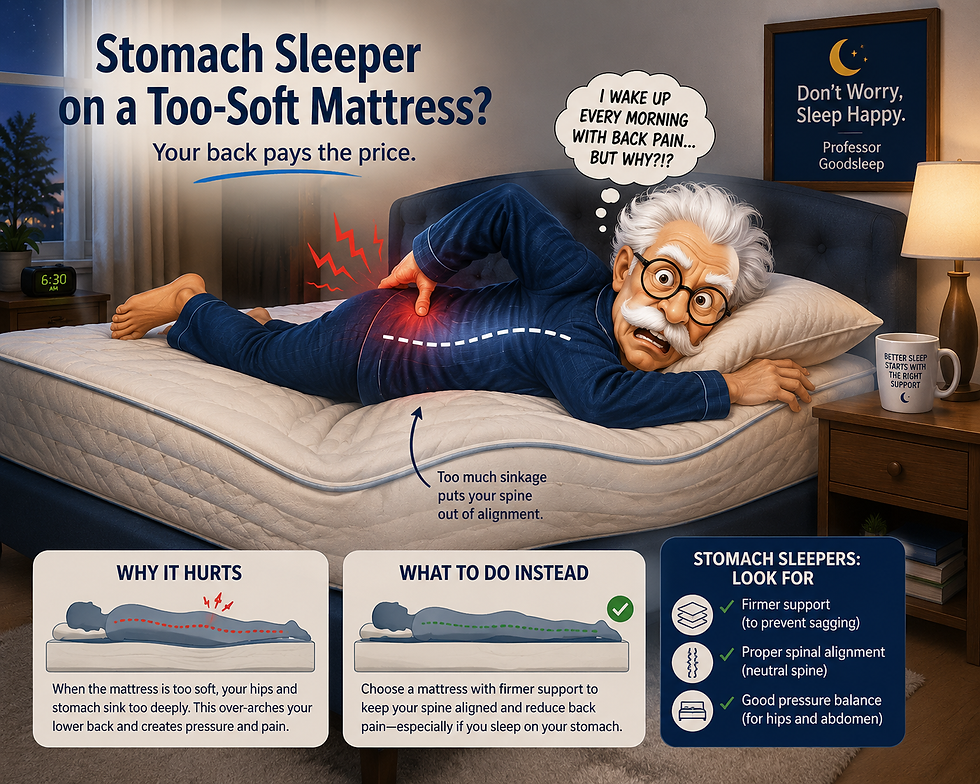
Stomach sleepers typically need firmer support to prevent the hips from sinking too deeply.
4. Ignoring Motion Transfer
If you share a bed, motion transfer matters. Motion transfer is simply how much you feel your partner move in the bed. Some mattresses allow movement to travel across the surface, causing one partner to feel every toss and turn. Memory foam and many hybrid designs tend to reduce motion transfer significantly.
5. Overlooking Adjustable Bases
Many people don't realize how much an adjustable base can improve comfort.
Elevating the head even can help with snoring, acid reflux, and breathing issues. Raising the legs may improve circulation and reduce lower back pressure.
For some people, the adjustable base provides more benefit than upgrading to a more expensive mattress.
6. Focusing Only on the Comfort Layer
Most shoppers pay attention to how soft the top feels but ignore what's underneath.
The support system, coil unit, foam density, and overall construction often determine how long a mattress will maintain its comfort.
7. Buying Without Understanding Mattress Materials
Different materials provide different benefits.
Memory foam excels at pressure relief.
Latex offers durability and responsiveness.
Hybrids combine foam comfort with coil support.
Traditional innersprings offer bounce and airflow.
Understanding these materials helps you match the mattress to your needs.
8. Expecting a Mattress to Fix Every Health Problem
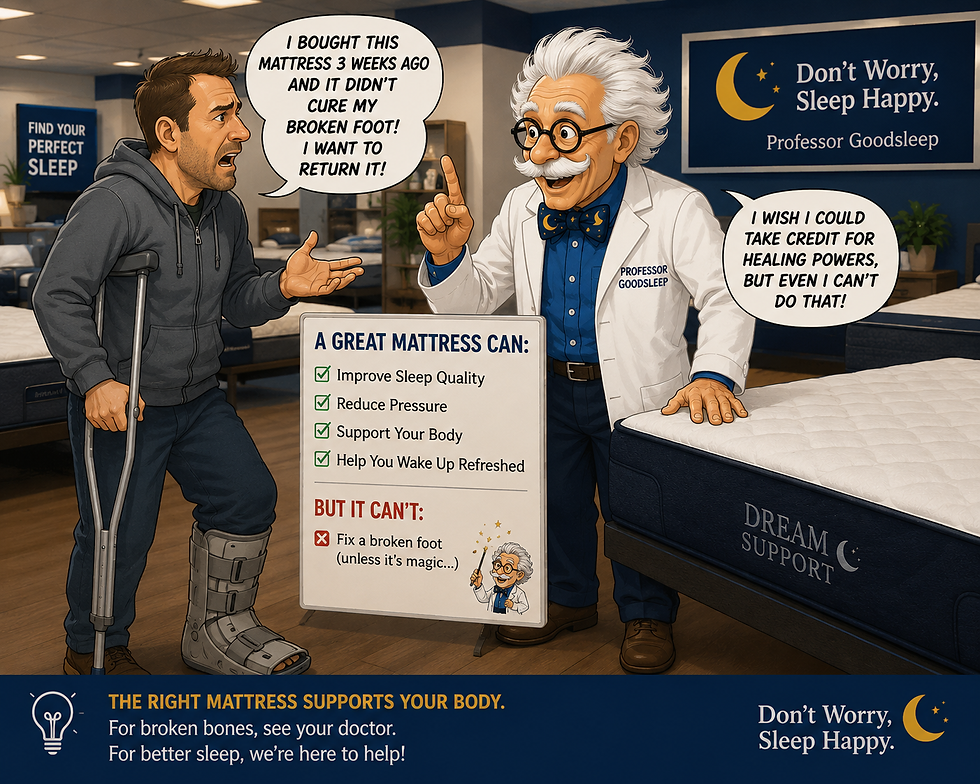
A quality mattress can improve sleep and reduce discomfort, but it isn't a medical treatment.
If you have chronic pain, sleep apnea, or other medical conditions, your mattress should be part of a broader health plan rather than the sole solution.
9. Not Asking About Durability
A mattress may feel great in the showroom but wear out quickly if lower-quality materials are used.
Ask about:
Coil count and coil type
Expected lifespan
The answers often reveal more than the price tag.
10. Choosing a Mattress Too Quickly
Many consumers rush the decision because mattress shopping feels overwhelming.
Take your time. Compare options. Ask questions. Learn about materials and construction.
A mattress purchase can affect your sleep for the next decade, so it deserves careful consideration.
Final Thoughts
The right mattress can improve sleep quality, reduce aches and pains, and help you wake up feeling refreshed.
By avoiding these common mistakes, you'll be far more likely to find a mattress that fits your body, your budget, and your long-term needs.
Remember: the goal isn't to buy the most expensive mattress. The goal is to buy the right mattress.
If you would like a shortlist before comparing prices and testing mattresses, start the free mattress consultation for 3–5 instant mattress recommendations. No email required.
Don't Worry, Sleep Happy.
Professor Goodsleep
Related Articles:



Comments