

Drinking Before Bed: How to Reduce Nighttime Wake-Ups

Updated: 4 days ago
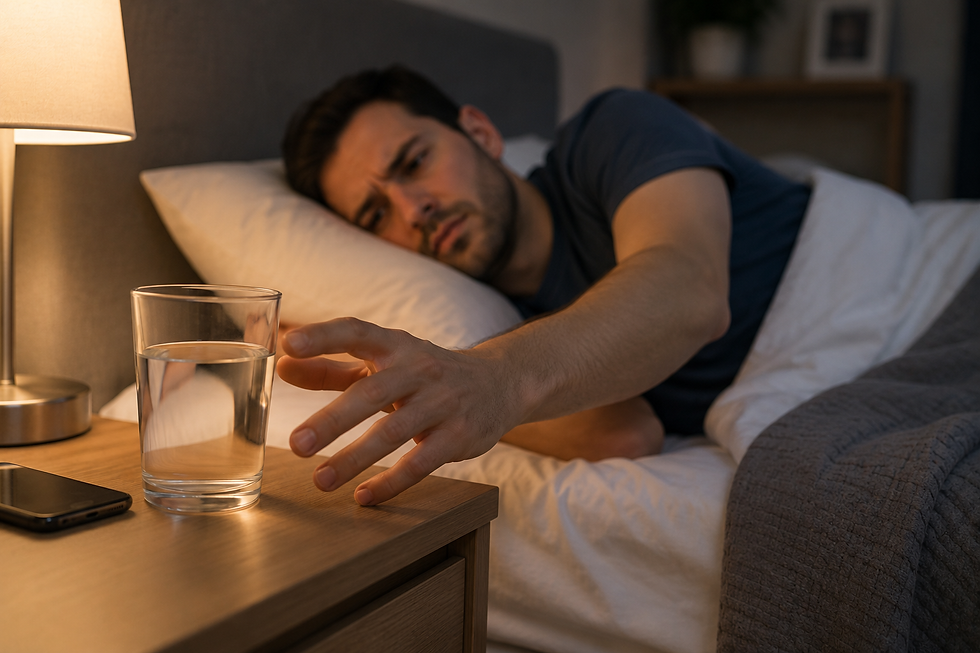
You fall asleep feeling fine, then suddenly you're awake at 2:17 a.m. with an urgent need to use the bathroom. You may head back to bed and fall asleep quickly, or that one bathroom trip could turn into hours of staring at the ceiling, checking the clock, and wondering how you'll function tomorrow.
If this sounds familiar, your evening drinking habits may be quietly sabotaging your sleep. Many people focus on mattresses, pillows, supplements, and sleep trackers while overlooking one of the most common causes of nighttime awakenings: consuming too much fluid too close to bedtime. The good news is that this problem is often surprisingly easy to fix.
My Personal Observation
One thing I've noticed over the years is that drinking too much too close to bedtime almost always increases the chances of waking up during the night needing to use the bathroom. It doesn't have to be alcohol; it can be water, tea, soda, or virtually any beverage. In fact, water often moves through your system fairly quickly because it lacks the sodium found in many sodas or the alcohol found in beer and other alcoholic drinks. As a result, some people may find themselves needing to use the bathroom sooner after drinking water, especially if they consume a large amount close to bedtime. The closer you drink it to bedtime, the greater the chance your sleep will be interrupted later.
Why It Matters
Many people think, "What's the big deal? I'll just get up, use the bathroom, and go back to sleep." Sometimes that's true, but often it isn't. Every time you wake up, you risk interrupting your natural sleep cycles. A healthy night's sleep isn't one long continuous event; it's a series of sleep cycles that include light sleep, deep sleep, and REM sleep. When you wake up repeatedly throughout the night, those cycles can become fragmented.
The Double Problem
For some individuals, the bathroom trip itself isn't the biggest issue. The problem arises afterward. You wake up, look at the clock, and start thinking. You begin calculating how much sleep you have left. A simple bathroom trip can quickly turn into thirty minutes of tossing, turning, and worrying.
What About Alcohol?
Alcohol creates a unique problem. Many people believe that alcohol helps them sleep because it makes them feel drowsy. In reality, alcohol often reduces sleep quality. It can increase nighttime awakenings, suppress REM sleep, cause dehydration, increase bathroom trips, and lead to poorer-quality rest overall. You may fall asleep faster, but your sleep may be worse.

How Late Should You Stop Drinking?
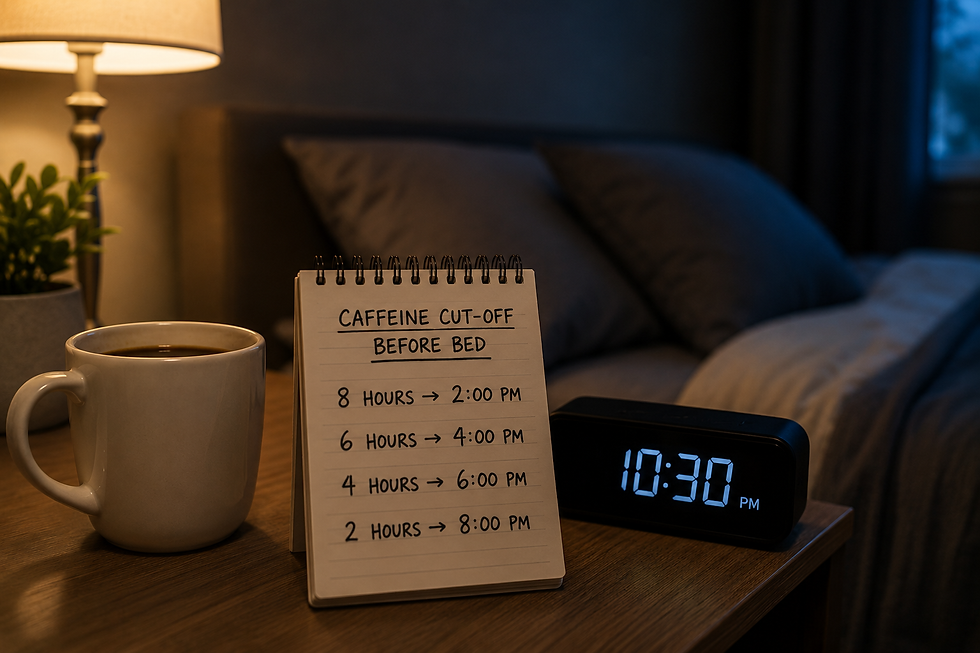
There isn't a perfect answer for everyone. Factors such as age, medications, bladder sensitivity, and overall health all play a role. However, many sleep experts recommend reducing fluid intake during the last two to three hours before bedtime. This doesn't mean becoming dehydrated; it simply means doing most of your hydration earlier in the day.
A Simple Test
If you're waking up frequently during the night, try this experiment for one week:
Drink plenty of fluids during the day.
Reduce fluid intake during the final two to three hours before bed.
Use the bathroom immediately before getting into bed.
Then compare your results. You may be surprised at how much of a difference this simple change can make.
My Sleep Expert's Perspective
People often search for complicated solutions to sleep problems. Sometimes the answer is much simpler. Before spending money on supplements, gadgets, or sleep products, take a look at your evening habits. If you're drinking large amounts of water, soda, tea, coffee, or alcohol shortly before bed, your bladder may be sabotaging your sleep.
The Bottom Line
Hydration is important, and so is sleep. The goal isn't to drink less overall; it's to drink at the right times. A small adjustment to your evening routine may help you spend less time walking to the bathroom in the middle of the night and more time getting the restful sleep your body needs.
If you are separately shopping for a mattress while reviewing your sleep setup, the free mattress consultation gives you 3–5 mattress recommendations instantly, with no email required.
Don't Worry, Sleep Happy.
Professor Goodsleep
Related Articles:



Comments