

Tempur-Pedic vs. Sealy Posturepedic: Is Tempur Worth the Extra Money?

Updated: 4 days ago
By Professor Goodsleep | Bedding University
Tempur-Pedic and Sealy are sister brands within the same corporate family, but they occupy different positions in the showroom. Tempur-Pedic sells a distinctive dense, slow-response material and charges a premium for that feel. Sealy Posturepedic offers a broader mix of coils, hybrids, and foams at lower starting prices. The real question is not whether Tempur is universally better. It is whether its pressure relief, motion control, and material behavior solve problems that a less expensive Sealy cannot solve for you.
Professor Goodsleep’s short verdict: Tempur-Pedic is worth the extra money when its dense pressure relief materially reduces shoulder, hip, or partner-disturbance problems and you enjoy a slow, close contour. Choose Sealy when you prefer easier movement, stronger traditional edge behavior, a more familiar hybrid feel, or simply do not benefit from the distinctive Tempur sensation. Paying more only makes sense when you can feel the difference.
At a glance
Tempur-Pedic: dense slow-response contour, exceptional motion absorption, and a highly distinctive pressure-relieving feel.
Sealy Posturepedic: broader price range, faster response, zoned support, and many traditional hybrid choices.
Best for pressure-sensitive sleepers who like deep contour: Tempur-Pedic.
Best for value and easier repositioning: Sealy Posturepedic.

Material and feel
Tempur material responds to weight, shape, and temperature. It gradually allows the body to settle instead of springing back immediately. That slow adaptation is central to the brand’s appeal. It can feel firm for the first few minutes and then become more conforming as it warms. People who expect instant plushness sometimes misjudge it during a short test.
Sealy offers more conventional foam and coil behavior. A Posturepedic hybrid generally responds faster, feels easier to move across, and offers a clearer transition between comfort and support. Zoned designs reinforce the center portion of the bed. This feels more familiar to many shoppers and is usually easier to evaluate quickly.
Pressure relief and support
Tempur-Pedic is strongest when a sleeper needs pressure redistributed without a loose pillow-top sensation. Side sleepers with shoulder or hip sensitivity often notice the difference, provided the chosen model is not too firm. Back sleepers may appreciate the way dense foam fills the lumbar area. Stomach sleepers usually need one of the firmer options.

Sealy can provide strong alignment through coils and center zoning, but its pressure relief varies more from one model to another. A firmer Posturepedic may work well for a back or stomach sleeper yet feel sharp at the shoulder for a lighter side sleeper. The best Sealy is the one that combines adequate surface give with stable midsection support.
Cooling, motion, and mobility
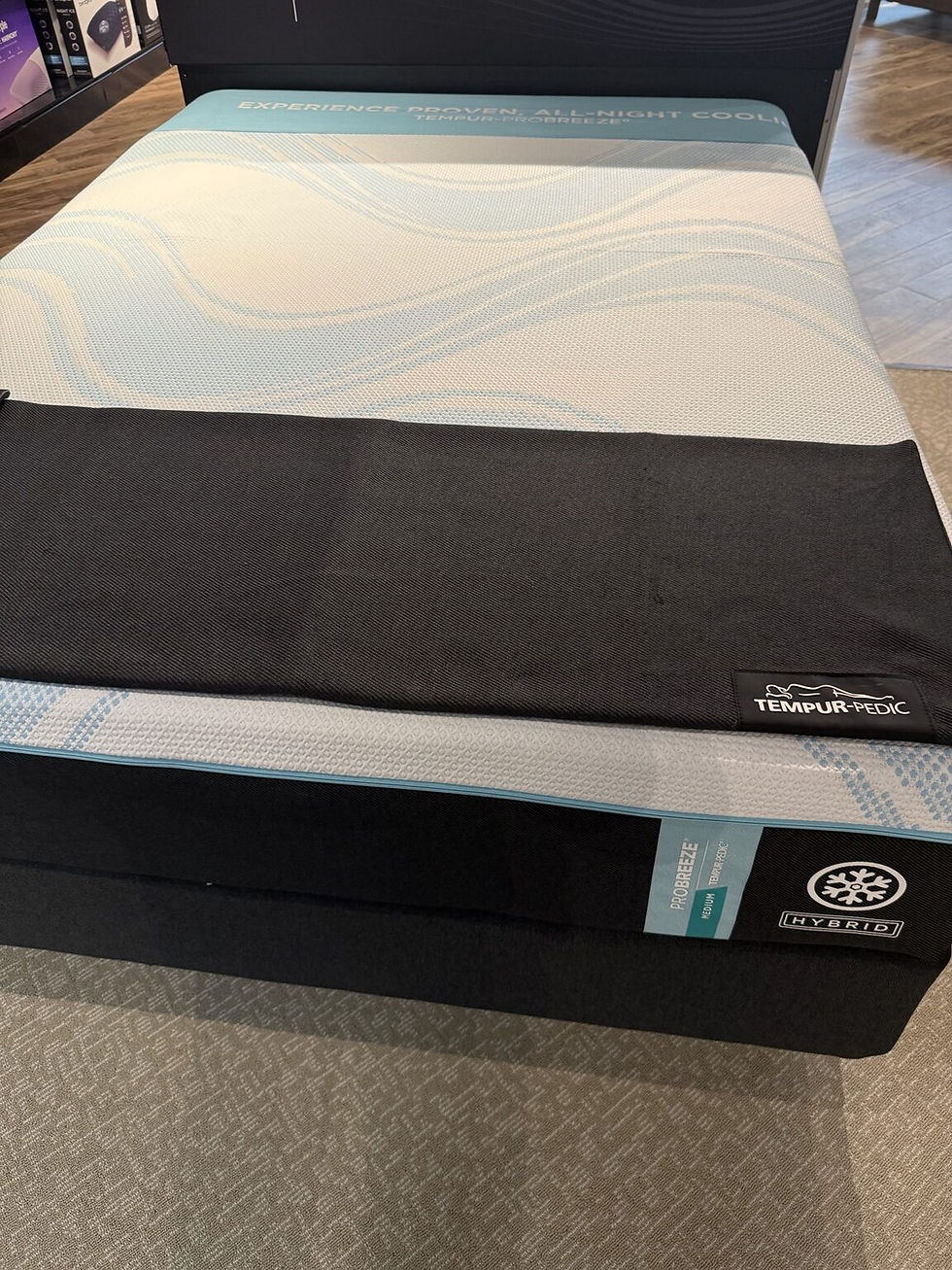
Tempur-Pedic’s close contour and dense material can retain warmth, although Breeze models are specifically engineered to manage heat more aggressively. Tempur’s outstanding strength is motion control: slow foam absorbs movement rather than rebounding across the bed. The tradeoff is reduced ease of turning, particularly in softer configurations.
Sealy’s coil-based models allow more internal airflow and rebound more quickly. That helps combination sleepers and people with limited mobility. A responsive bed may transmit more partner motion than dense Tempur material, but individually wrapped coils and modern foams can still perform well. Test the complete mattress rather than assuming all springs are bouncy.
Price, trial, and long-term value

Tempur-Pedic currently advertises a 90-night trial for qualifying direct purchases, white-glove delivery with select mattresses, and a 10-year warranty. The brand costs more, so value depends on how strongly you benefit from its unique feel. If a Sealy and Tempur feel equally good after a careful test, the less expensive choice is rational.
Sealy also offers a 90-night direct trial and a 10-year limited warranty, though direct returns or exchanges can involve a fee and retailer terms vary. Sealy provides more price points, but model proliferation makes comparison harder. Record the exact name, firmness, height, and construction before shopping another store.
Who should choose each brand?
Choose Tempur-Pedic if its feel, construction, and shopping advantages match your pressure-relief, support, mobility, and value priorities.
Choose the competing brand if its different support strategy solves a more important problem for your body or budget.
Test in your normal sleep position for at least 10 minutes and compare the written retailer policies before purchasing.
Professor Goodsleep’s final verdict
Professor Goodsleep’s short verdict: Tempur-Pedic is worth the extra money when its dense pressure relief materially reduces shoulder, hip, or partner-disturbance problems and you enjoy a slow, close contour. Choose Sealy when you prefer easier movement, stronger traditional edge behavior, a more familiar hybrid feel, or simply do not benefit from the distinctive Tempur sensation. Paying more only makes sense when you can feel the difference.
If you are still deciding how Tempur-Pedic and Sealy Posturepedic fit your preferences, the free mattress consultation gives you 3–5 mattress recommendations instantly, with no email required.
Disclosure: Bedding University may earn a commission if you purchase through the Tempur-Pedic links below, at no additional cost to you. This does not affect our editorial conclusions.
Frequently asked questions
Is Tempur-Pedic owned by Sealy?
Tempur-Pedic and Sealy are part of the same corporate family, but they use different materials, product strategies, and price positioning.
Does Tempur-Pedic last longer than Sealy?
Durability depends on the exact models and use. Tempur’s dense material may justify its premium for some sleepers, but a well-built Sealy hybrid can also provide years of service.
Which is better for hot sleepers?
A breathable Sealy hybrid may be the simpler choice. Tempur-Pedic Breeze models add stronger cooling features but cost considerably more.
How we compare mattresses
Bedding University compares construction, pressure relief, alignment, temperature, motion, edge stability, mobility, retailer policies, and value. Recommendations are educational and model-specific. Product lines, prices, trials, and warranties can change, so confirm current written terms before purchase. Individual comfort and medical needs vary.



Comments