

Serta vs. Sealy: Soft Pressure Relief or Firmer Support?

Updated: 4 days ago
By Professor Goodsleep | Bedding University
Serta and Sealy are two of the most familiar names in American mattress showrooms, and both offer enough models to make a brand-only comparison misleading. The useful distinction is their general design direction. Serta often emphasizes immediate cushioning, memory-foam contour, and a softer first impression. Sealy Posturepedic usually places more emphasis on targeted support and a flatter, more lifted feel. Neither approach is automatically better; it depends on where your body needs give and where it needs resistance.
Professor Goodsleep’s short verdict: start with Serta if you enjoy a softer, more pressure-relieving foam feel and want your shoulder and hip to settle into the surface. Start with Sealy if you prefer a firmer, more traditional support sensation with less overall sink. For shoppers who dislike getting stuck in foam, Sealy has the advantage. For pressure-sensitive side sleepers, the right Serta is often easier to like initially.
At a glance

Serta: generally stronger at soft foam contour, immediate pressure relief, and multiple comfort choices.
Sealy: generally stronger at a lifted Posturepedic feel, targeted center support, and traditional responsiveness.
Best for easy movement: usually Sealy or a firmer Serta hybrid.
Best for a deep cushioned sensation: usually Serta iComfort or a plush Serta hybrid.
Construction and overall feel
Serta’s lineup includes traditional innersprings, hybrids, and all-foam designs. Current iComfort models emphasize a cool-to-touch cover, memory foam, and five support zones. In the showroom, that often translates to noticeable surface softness and a faster sense of being cradled. The exact depth and firmness still vary considerably by model.
Sealy Posturepedic mattresses also span foam, spring, and hybrid constructions. Their recurring story is support through the middle portion of the mattress, where many sleepers carry more weight. The result frequently feels flatter and more responsive than a deeply contouring Serta. That can be excellent for mobility, but lighter side sleepers should make sure the shoulder is not held too high.

Pressure relief and spinal alignment
Serta’s slower foam can spread pressure at the shoulder and hip, especially for side sleepers. The risk is overbuying softness. If the pelvis drops too far, the lower back can feel strained even while the surface feels comfortable. Lie still for at least 10 minutes instead of judging the mattress by sitting on it.
Sealy’s more lifted support can help back and stomach sleepers keep the pelvis from sinking. Side sleepers may need a softer Posturepedic or hybrid configuration to prevent tingling or pressure buildup. Targeted support is useful only when it matches your height and body proportions, so pay attention to where the firmer center section actually lands.
Cooling, motion, and movement
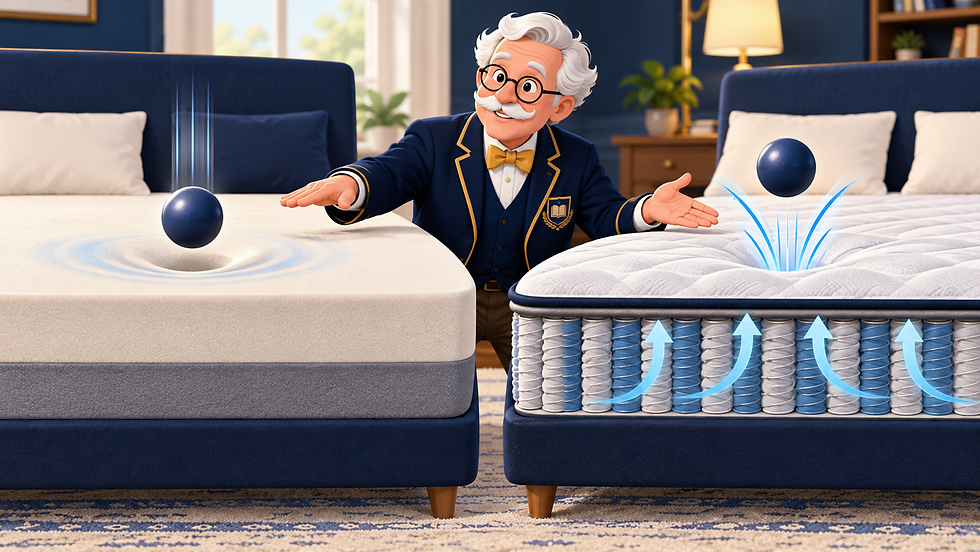
Serta uses cooling covers and specialty foams in parts of its lineup, but thick memory foam still increases body contact. A Serta hybrid should move air better than an all-foam model. The slower response also helps absorb partner motion, although it can require more effort when turning.
Sealy hybrids and spring mattresses generally provide more airflow through the coil unit and rebound more quickly. That makes repositioning easier and can help people who feel trapped in slow foam. Motion isolation depends on the exact coil and comfort system, so couples should test by rolling and getting out of bed, not merely pressing the surface.
Price, trials, and value
Both brands sell through multiple retailers, which creates promotions but also confusing model names. Compare the law tag, full construction, delivery cost, comfort-exchange rules, and seller return policy. Serta’s direct terms may not apply to a retailer purchase.

Sealy currently lists a 90-night direct-purchase trial with a return or exchange fee and a 10-year limited mattress warranty. Retailer policies can be different. A lower price is not a bargain if the firmness is wrong, and a premium price does not prove that the foam or support system fits your body better.
Who should choose each brand?
Choose Serta if its feel, construction, and shopping advantages match your pressure-relief, support, mobility, and value priorities.
Choose the competing brand if its different support strategy solves a more important problem for your body or budget.
Test in your normal sleep position for at least 10 minutes and compare the written retailer policies before purchasing.
Professor Goodsleep’s final verdict
Professor Goodsleep’s short verdict: start with Serta if you enjoy a softer, more pressure-relieving foam feel and want your shoulder and hip to settle into the surface. Start with Sealy if you prefer a firmer, more traditional support sensation with less overall sink. For shoppers who dislike getting stuck in foam, Sealy has the advantage. For pressure-sensitive side sleepers, the right Serta is often easier to like initially.
If you are still deciding how Serta and Sealy fit your preferences, get 3–5 mattress recommendations instantly with the free consultation. No email is required.
Disclosure: Bedding University may earn a commission if you purchase through the Serta links below, at no additional cost to you. This does not affect our editorial conclusions.
Frequently asked questions
Is Serta softer than Sealy?
Often, but not universally. Serta offers many soft and contouring models, while Sealy offers plush options too. Compare the exact model and comfort designation.
Which is better for back sleepers?
Many back sleepers prefer Sealy’s lifted support or a medium-firm Serta hybrid. The pelvis should remain level without creating pressure under the shoulders.
Which is better for couples?
Serta’s slower foams may isolate more movement, while Sealy’s responsiveness can make turning easier. Edge support and the exact construction matter more than the logo.
How we compare mattresses
Bedding University compares construction, pressure relief, alignment, temperature, motion, edge stability, mobility, retailer policies, and value. Recommendations are educational and model-specific. Product lines, prices, trials, and warranties can change, so confirm current written terms before purchase. Individual comfort and medical needs vary.



Comments